Buying July 16, 2024

How To Determine if You’re Ready To Buy a Home

If you’re trying to decide if you’re ready to buy a home, there’s probably a lot on your mind. You’re thinking about your finances, today’s mortgage rates and home prices, the limited supply of homes for sale, and more. And, you’re juggling how all of those things will impact the choice you’ll make.

While housing market conditions are definitely a factor in your decision, your own personal situation and your finances matter too. As an article from NerdWallet says:

“Housing market trends give important context. But whether this is a good time to buy a house also depends on your financial situation, life goals and readiness to become a homeowner.”

Instead of trying to time the market, focus on what you can control. Here are a few questions that can give you clarity on whether you’re ready to make your move.

1. Do You Have a Stable Job?

One thing to consider is how stable you feel your employment is. Buying a home is a big purchase, and you’re going to sign a home loan stating you’ll pay that loan back. That’s a big commitment. Knowing you have a reliable job and a steady stream of income coming in can help put your mind at ease when making such a large purchase.

2. Have You Figured Out What You Can Afford?

If you have reliable paychecks coming in, the next thing to figure out is what you can afford. That’ll depend on your spending habits, debt, and more. To be sure you have a good idea of what to expect from a number’s perspective, start by talking to a trusted lender.

They’ll be able to tell you about the pre-approval process and what you’re qualified to borrow, current mortgage rates and your approximate monthly payment, closing costs to anticipate, and other expenses you’ll want to budget for. That way you can make an informed decision about whether you’re ready to buy.

3. Do You Have an Emergency Fund?

Another key factor is whether you’ll have enough cash left over in case of an emergency. While that’s not fun to think about, it’s an important thing to consider. You don’t want to overextend on the house, and then not be able to weather a storm if one comes along. As CNET says:

“You’ll want to have a financial cushion that can cover several months of living expenses, including mortgage payments, in case of unforeseen circumstances, such as job loss or medical emergencies.”

4. How Long Do You Plan To Live There?

It was mentioned above, but buying a home involves some upfront expenses. And while you’ll get that money back (and more) as you gain equity, that process takes time. If you plan to move too soon, you may not recoup your investment. For example, if you’re looking to sell and move again in a year, it might not make sense to buy right now. As Lawrence Yun, Chief Economist at the National Association of Realtors (NAR), explains:

“Five years is a good, comfortable mark. If the price of your home appreciates considerably, then even three years would be fine.”

So, think about your future. If you plan to transfer to a new city with the upcoming promotion you’re working toward or you anticipate your loved ones will need you to move closer to take care of them, that’s something to factor in.

5. Above all else, the most important question to answer is: do you have a team of real estate professionals in place? 

If not, finding a trusted local agent and a lender is a good first step. The pros can talk you through your options and help you decide if you’re ready to take the plunge or if you have a few more things to get in order first.

Bottom Line

If you want to have a conversation about all the things you need to consider to determine if you’re ready to buy, let’s connect.

AllBuyingSelling July 15, 2024

Why Working with a Real Estate Professional Is Crucial Right Now

Navigating the housing market can be tricky, especially these days. That’s why having an experienced guide when buying or selling a home is so important. The market isn’t exactly straightforward right now, and working with a real estate expert can offer insights and advice that make all the difference.

While today’s market conditions might seem confusing or overwhelming, you don’t have to handle them alone. With a trusted expert leading you through every step, you can navigate the process with the clarity and confidence you deserve.

Here are just a few of the ways a real estate expert is invaluable:

Contracts – Agents help with the disclosures and contracts necessary in today’s heavily regulated environment.

Experience – In today’s market, experience is crucial. Real estate professionals know the entire sales process, including how it’s changing right now.

Negotiations – Your real estate advisor acts as a buffer in negotiations with all parties, and advocates for your best interests throughout the entire transaction.

Industry Expertise– Knowledge is power in today’s market, and your advisor will simply and effectively explain processes, market conditions, and key terms, translating what they mean for you along the way along the way­.

Pricing – A real estate professional understands current real estate values when setting the price of your home or helping you make an offer to purchase one. Pricing matters more than ever right now, so having expert advice will help ensure you’re set up for success.

A real estate agent is a crucial guide through this challenging market, but not all agents are created equal. A true expert can carefully walk you through the whole real estate process, look out for your unique needs, and advise you on the best ways to achieve success.

Finding an expert real estate advisor – not just any agent – should be your top priority if you want to buy or sell a home. As Bankrate says:

“Real estate is very localized, and you want someone who’s extremely knowledgeable about the market in your specific area. You should also look for someone with a successful track record of negotiating and closing deals, preferably for homes similar to the kind you want to buy.”

What’s the Key To Choosing the Right Expert?

Like any relationship, it starts with trust. You’ll want to know you can depend on that person to always put you and your best interests first. That means hiring a true professional. As Business Insider explains:

“As long as you’ve properly vetted the agents you’re considering and ensured they have the necessary expertise, it’s ok to go with your gut when making your final decision on which real estate agent you want to work with. You’re going to be working closely with this person, so it’s important to choose an agent you’re comfortable with.”

Bottom Line

It’s critical to have an expert on your side who’s well-versed in navigating today’s housing market dynamics. If you’re planning to buy or sell a home this year, let’s connect so you have a real estate professional to give you the best advice and guide you along the way.

Videos July 12, 2024

Do Presidential Elections Impact The Housing Market?

All July 11, 2024

Cooling? Mortgage Interest Rates Tick Down

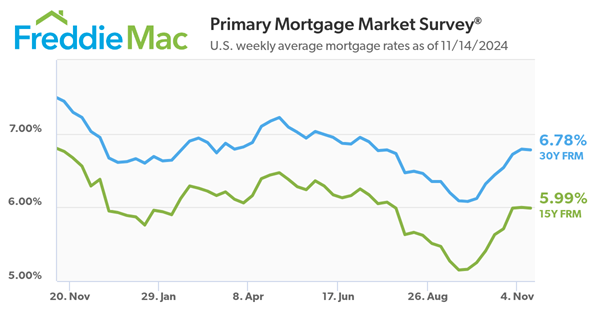
(July 11, 2024 ) Freddie Mac today released the results of its Primary Mortgage Market Survey® (PMMS®), showing the 30-year fixed-rate mortgage (FRM) averaged 6.89 percent.

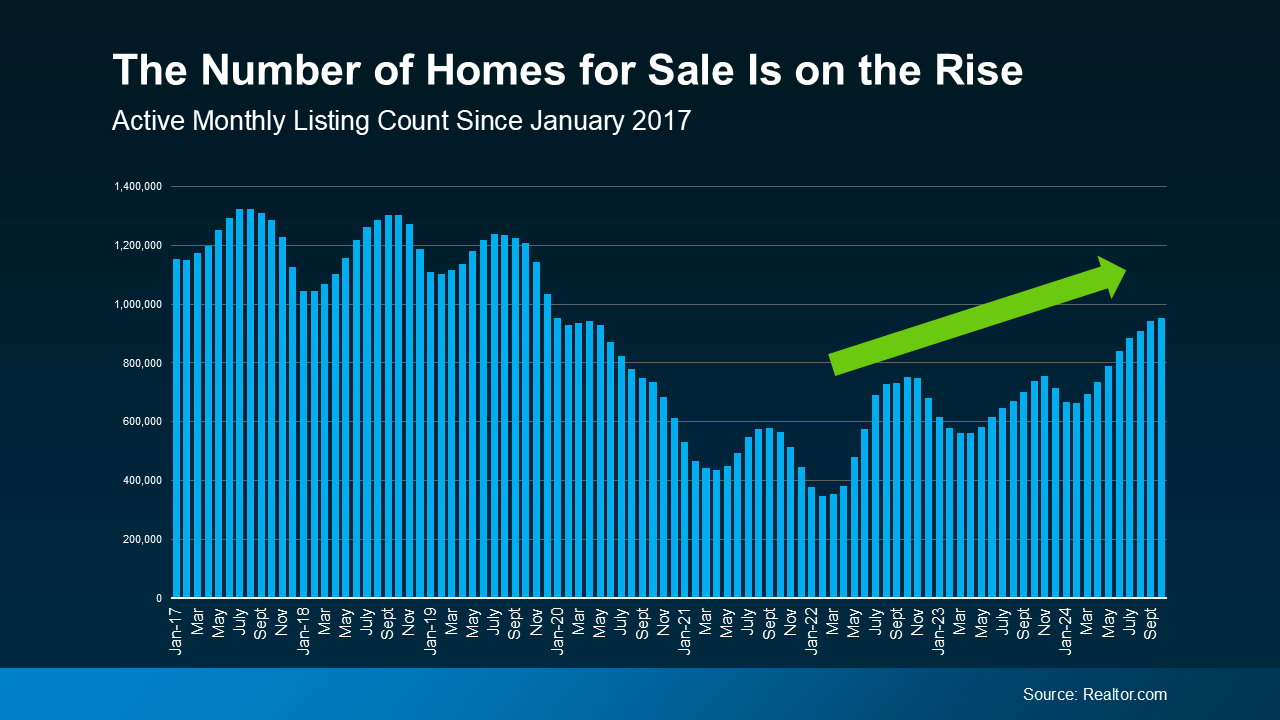
“Following June’s jobs report, which showed a cooling labor market, the 10-year Treasury yield decreased this week and mortgage rates followed suit,” said Sam Khater, Freddie Mac’s Chief Economist. “We’re also seeing more inventory on the market, including a fair number of listings with price cuts, which is an encouraging sign for prospective buyers.”

  • The 30-year FRM averaged 6.89 percent as of July 11, 2024, down from last week when it averaged 6.95 percent. A year ago at this time, the 30-year FRM averaged 6.96 percent.
  • The 15-year FRM averaged 6.17 percent, down from last week when it averaged 6.25 percent. A year ago at this time, the 15-year FRM averaged 6.30 percent.

The PMMS® is focused on conventional, conforming, fully amortizing home purchase loans for borrowers who put 20 percent down and have excellent credit.

Reaction from Dr. Jessica Lautz, Deputy Chief Economist and Vice President of Research at the National Association of REALTORS®.

Facts: The 30-year fixed mortgage rate from Freddie Mac declined to 6.89% over the last week from 6.95%. At 6.89%, with 20% down, a monthly mortgage payment on a home of $400,000 is $2,105; with 10% down, it is $2,369.

Positive: The CPI retreated today. Importantly, shelter, which is a lagging component but more than one-third of CPI, had slower gains. Fed Chair Jerome Powell indicated to Congress yesterday that there is a path to lowering the Fed Funds rate if inflation continues to cool. Today’s reading showed a measure of cooling.

Negative: Yesterday, Powell indicated “we probably won’t go back” to the ultralow rates seen in the last 10-15 years. For those thinking of mortgage interest rates—the implication has a ripple effect—buyers waiting for mortgage rates to again be at once-in-a-lifetime lows are likely going to be waiting a very long time.


Buying July 10, 2024

Are You Waiting for the Perfect Home?

In life, patience is a virtue – but in the world of homebuying, waiting too long in hopes of finding the perfect home actually isn’t wise. That’s because the pursuit of perfection comes at a cost. And in this case, that cost may be delaying your dream of homeownership. As Bankrate explains:

“One of the most common first-time homebuyer mistakes is looking for a home that checks each of your boxes. Looking for perfection can narrow your choices and lead you to pass over good, suitable options for starter homes in the hopes that something better will come along.”

The Cost of Holding Out for Perfection

Nothing in life is ever perfect – and that’s true when you search for a home too. Unless you’re building a brand-new home from the ground up, chances are there are going to be some features or finishes you wouldn’t have picked yourself. It may be as simple as paint colors, a light fixture, or the tile in the bathrooms or kitchen. Or even that the backyard isn’t fenced in. It could also be that the home itself is great, but it’s not the ideal location you were hoping for.

But here’s the trade-off you’d be making without even realizing it. In all that time you’d spend searching for the perfect place, you’d overlook a lot of homes that would’ve worked for you. U.S. News explains:

“. . . you may miss opportunities if you enter the process with blinders on and aren’t open-minded . . . Countless potential buyers never buy because of this, and thus miss great investments or never move on to the next chapter of their lives.”

It’s Time To Redefine Perfection

Especially with affordability and inventory where they are today, buying a home that needs some updates, is a few neighborhoods away from your ideal location, or doesn’t have all your desired features can be a smart move. Here’s why.

For starters, these homes are usually more affordable, which is important at a time when some buyers are struggling to find options in their budget.

And they give you a chance to make the space your own or discover a whole new area of town. You may find out you actually love that neighborhood. Or, swapping out a feature here or there after move-in isn’t such a big deal. So, look past the green shag carpet and see the bones of the house. With a little vision and creativity, you can turn a good house into a fantastic home.

How an Agent Helps You Explore Your Options

If you’re open to a home that needs a little elbow grease or is a bit further out, let your agent know. They’ll be happy to show you how this can really open up your pool of homes to pick from. They’ll also help coach you through this process by:

1. Prioritizing Your Must-Haves: Your agent will want to revisit your wish list and separate your non-negotiables from your nice-to-haves. From there, they’ll focus on what’s really most important to you as they come up with a bigger list of options for you to choose from.

2. Coaching You To See the Potential: As you tour these added options, your agent will help you look beyond cosmetic flaws and imagine what the home could be with a little work. Simple updates like a fresh coat of paint or new flooring can make a big difference.

3. Connecting You with Local Pros: And an agent’s support goes one step further. If they know what you’re hoping to change after you move in, they can connect you with local pros who can get the job done. That way it’s less work for you, and you don’t have to worry about tracking down contractors.

Bottom Line

Remember, there is no perfect home. But with expert help and an open mind, we can find you the right home – even in today’s market. Let’s connect to see what’s out there.

Videos July 5, 2024

Don’t Do This After Your Apply for Your Mortgage

Buying July 5, 2024

Things To Avoid After Applying for a Mortgage 


No Caption Received

Some Highlights

  • There are a few key things you’ll want to avoid after applying for a mortgage to make sure you’re in the best position when you get to the closing table.
  • Don’t change bank accounts, apply for new credit, make any large purchases or transfers, and don’t co-sign loans for anyone.
  • Here’s a good rule of thumb. Always connect with your loan officer before making any financial decisions once you’ve started the mortgage process.
All July 3, 2024

An Uptick This Week In Mortgage Rates

 Freddie Mac today released the results of its Primary Mortgage Market Survey® (PMMS®), showing the 30-year fixed-rate mortgage (FRM) averaged 6.95 percent. This week’s results include an adjustment for the observance of Independence Day.

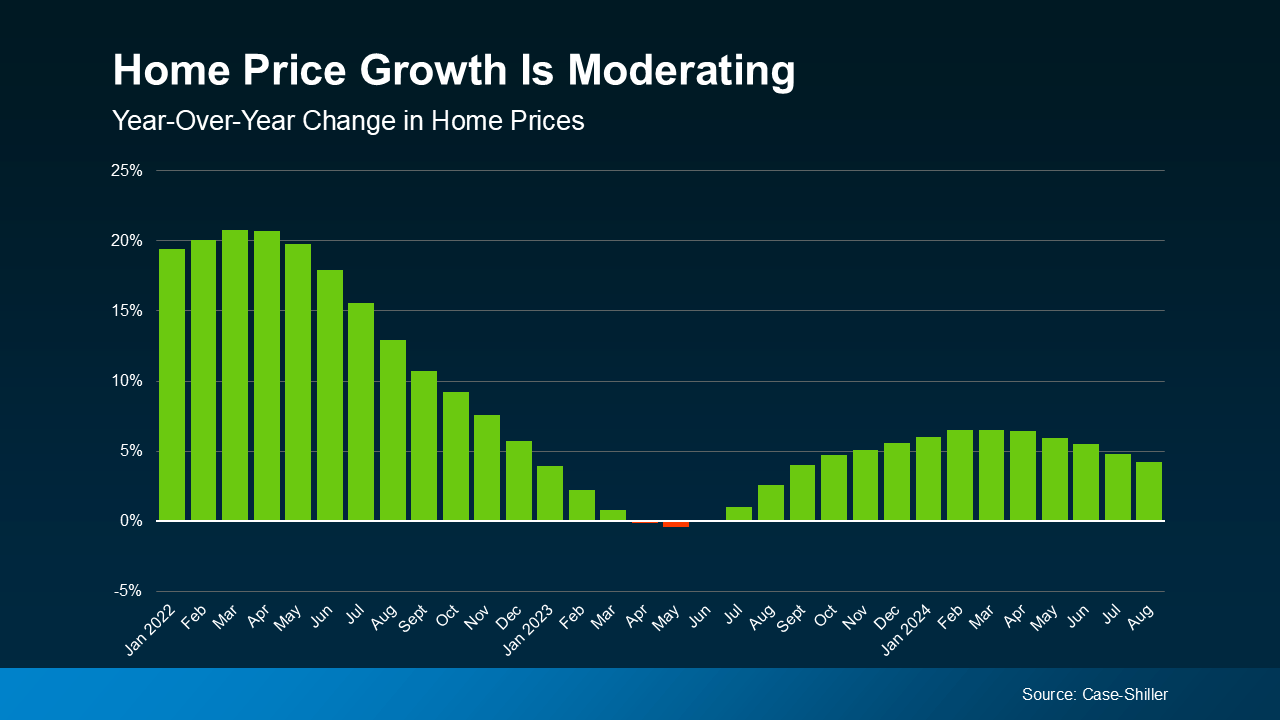
“Mortgage rates increased this week, coming in just under seven percent,” said Sam Khater, Freddie Mac’s Chief Economist. “Both new home and pending home sales are down, causing active listings to rise. We are still expecting rates to moderately decrease in the second half of the year and given additional inventory, price growth should temper, boding well for interested homebuyers.”

  • The 30-year FRM averaged 6.95 percent as of July 3, 2024, up from last week when it averaged 6.86 percent. A year ago at this time, the 30-year FRM averaged 6.81 percent.
  • The 15-year FRM averaged 6.25 percent, up from last week when it averaged 6.16 percent. A year ago at this time, the 15-year FRM averaged 6.24 percent.

The PMMS® is focused on conventional, conforming, fully amortizing home purchase loans for borrowers who put 20 percent down and have excellent credit.

Here’s Reaction from Dr. Jessica Lautz, Deputy Chief Economist and Vice President of Research at the National Association of REALTORS®.

Facts: The 30-year fixed mortgage rate from Freddie Mac increased to 6.95% over the last week from 6.86%. This is the first weekly increase since May 30. At 6.95%, with 20% down, a monthly mortgage payment on a home of $400,000 is $2,118.

Positive: While mortgage rates increased this week and affordability is bleak, there is also slightly more existing inventory coming onto the market. Home buyers at higher incomes may stand a chance to have their offer accepted as moderate-income buyers are forced to the sidelines—this is especially true of first-time buyers who have been largely shut out of the market.

Negative: The lock-in impact of higher rates for a prolonged period means someone who purchased or refinanced a $400,000 home at 3% vs. 6.95% would have a monthly mortgage payment of $1,349, a difference of $769 a month. This is unfathomable for many Americans, even with life changes.


AllBuyingSelling July 3, 2024

$28K in Equity Gained over the Past Year

Homeowners Gained $28K in Equity over the Past Year

If you own a home, your net worth has probably gone up a lot over the past year. Home prices have been rising, which means you’re building equity much faster than you might think. Here’s how it works.

Equity is the current value of your home minus what you owe on the loan.

Over the past year, there have still been more people wanting to buy than there are homes available for sale, and that’s pushed prices up. That rise in prices has translated directly into increasing equity for homeowners.

How Much Equity Have You Earned over the Past 12 Months?

According to the latest Homeowner Equity Insights from CoreLogicthe average homeowner’s equity has grown by $28,000 in the last year alone.

That’s the national average, so if you want to see what’s happening in your state, check out the map below. It uses data from CoreLogic to show how much equity has grown in each state over the past year. You’ll notice every single state with sufficient data saw annual equity gains:No Caption Received

What If You Bought Your House Before the Pandemic?

If you bought your house before the pandemic, the equity news is even better. According to data from Realtor.com, home prices shot up by 37.5% from May 2019 to May 2024, meaning your home’s value has likely increased significantly. Ralph McLaughlin, Senior Economist at Realtor.comsays:

“Homeowners have seen extraordinary gains in home equity over the past five years.”

To give context to how much equity can stack up over time, Selma Hepp, Chief Economist at CoreLogicexplains the total equity the typical homeowner has today:

“With home prices continuing to reach new highs, owners are also seeing their equity approach the historic peaks of 2023, close to a total of $305,000 per owner.”

How Your Rising Home Equity Can Help You

With how prices skyrocketed a few years ago, and the ongoing price growth today, homeowners clearly have substantial equity built up – and that has some serious benefits.

You could use it to start a business, fund an education, or even to help you afford your next home. When you sell, the equity you’ve built up comes back to you, and may be enough to cover a big part – or even all – of your next home’s down payment.

Bottom Line

If you’re planning to move, the equity you’ve gained can really help. Curious about how much you have and how you can use it to help pay for your next home? Let’s connect.

AllBuyingSelling July 2, 2024

Real Estate Still Holds the Title of Best Long-Term Investment

With all the headlines circulating about home prices and mortgage rates, you may be asking yourself if it still makes sense to buy a home right now, or if it’s better to keep renting. Here’s some information that could help put your mind at ease by showing that investing in a home is still a powerful decision.

According to the experts at Gallup, real estate has been crowned the top long-term investment for a whopping 12 years in a row. It has consistently beat out other investment types like gold, stocks, and bonds. Just take a look at the graph below – it speaks volumes:No Caption Received

But why does real estate continue to reign supreme as a top-notch long-term investment? It’s because, even today, buying a home can be your golden ticket to building wealth over time.

Unlike other investments that can feel a bit like riding a rollercoaster with all the ups and downs and ongoing risk factors, real estate follows a more predictable and positive pattern.

History shows home values usually rise. And while prices may vary by market, that means as time goes by, your house is likely to appreciate in value. And that helps you grow your net worth in a big way. As an article from Realtor.com explains:

Homeownership has long been tied to building wealth—and for good reason. Instead of throwing rent money out the window each month, owning a home allows you to build home equity. And over time, equity can turn your mortgage debt into a sizeable asset.”

So, if you’re on the fence about whether to rent or buy, remember that real estate was consistently voted the best long-term investment for a reason. And if you want to get in on that action, it may make sense to go ahead and buy (if you’re ready and able).

Bottom Line

When it comes to building wealth that stands the test of time, real estate is the name of the game. If you’re ready to start on your own journey toward homeownership, let’s connect today.